
In the hospitality industry, the customer's experience begins long before they arrive. Before booking a hotel, choosing a restaurant for an event or planning a stay, customers look for information online and try to form as clear a picture as possible of the place they are about to visit.
Photographs, videos and reviews are already important in how people choose, but a 360° virtual tour offers a different kind of experience. Instead of looking only at images selected by the owner or the marketing agency, the visitor can explore the space interactively and decide for themselves which area they want to see.
For hotels, guesthouses, restaurants, resorts, event halls and other HORECA businesses, a virtual tour can become an effective presentation tool. It increases transparency, helps people understand the space better and creates an online experience closer to an actual visit.
What is a 360° virtual tour and how does it work?
A virtual tour is an interactive experience that lets the user explore one or more spaces through 360° panoramic images. Instead of a static photograph, the visitor can look around, change direction and move from one room to another, according to how the tour has been built.
In a hotel, for example, the tour might begin at reception and carry on to the rooms, the restaurant, the conference room, the spa, the pool or other facilities. In a guesthouse, the user can explore the bedrooms, the living room, the terrace and the outdoor areas.
A restaurant can use a virtual tour to present the interior, the terrace, the bar or a room set aside for events. For an events venue, the tour gives a perspective on the whole hall and helps prospective clients understand its size and layout.
One important advantage is that the tour can be embedded directly in the company's website. The user does not have to download an app or use any special equipment. The experience can be reached from a computer, a tablet or a phone.
Depending on the solution used, a well-made virtual tour can include interactive hotspots, information about particular facilities, navigation buttons, links or other elements that help the user discover the venue.
A virtual tour is therefore not just a collection of panoramic photographs. It is an interactive way of presenting a space and letting the user explore it at their own pace.
Why does a virtual tour matter for hotels and restaurants?
One of the main advantages of a virtual tour is transparency. The customer can see the space before making a decision, which reduces the uncertainty that comes with a booking.
In a hotel, photographs can present a room attractively, but a virtual tour gives a fuller sense of its size and layout. The user can see where the bed sits, the furniture, the windows, the bathroom and how the different areas of the room relate to one another.
This can matter especially for customers travelling to a city they do not know, or choosing somewhere for a longer stay. The clearer the information available before booking, the easier it is for the customer to decide whether the venue matches their expectations.
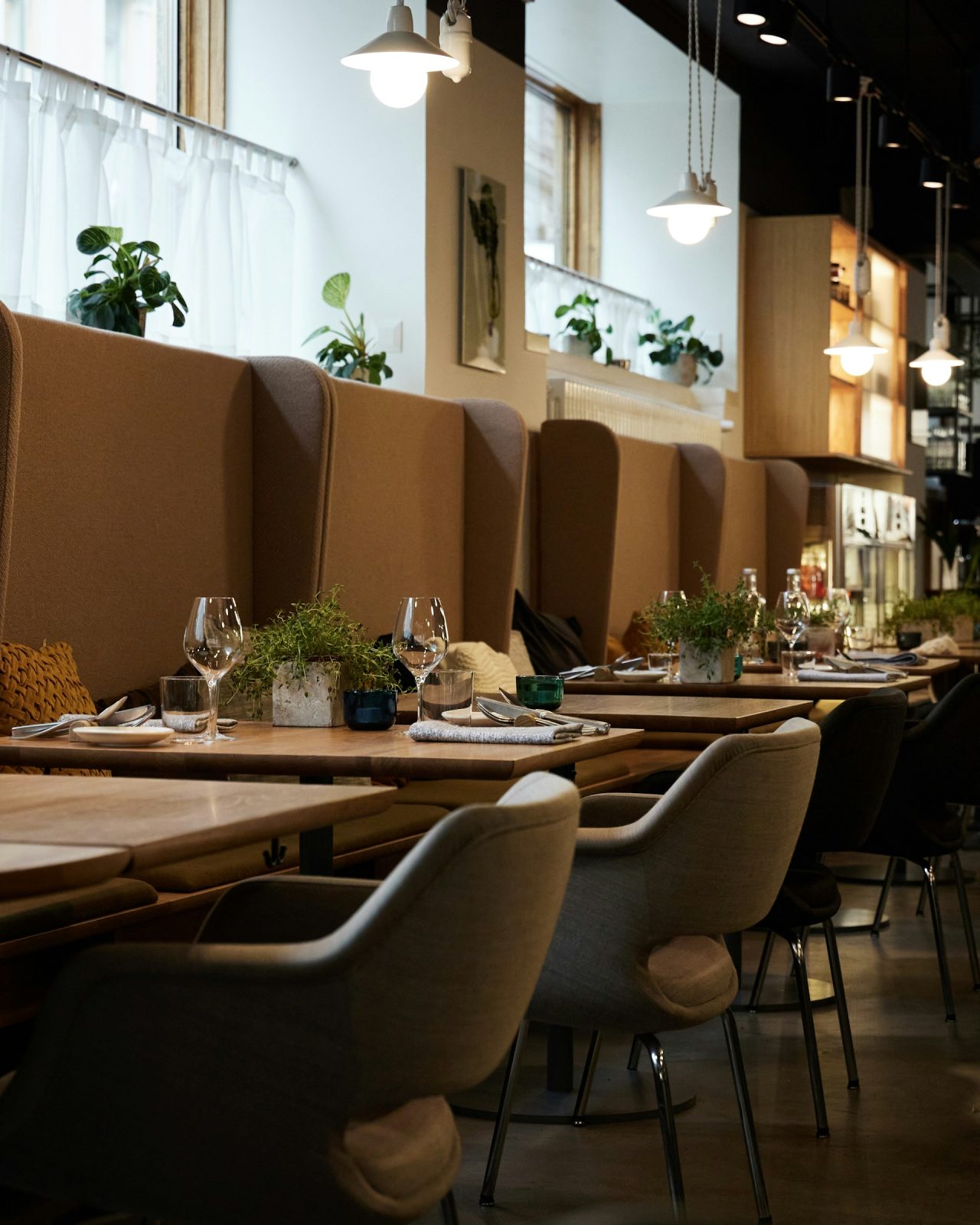
For restaurants, a virtual tour plays a different role. Atmosphere weighs heavily when choosing a venue, particularly for birthdays, business meetings, weddings or other events. Through a 360° experience, the customer can see the interior design, the arrangement of the tables, the space available and the general look of the place.
For event halls, this kind of presentation can be very useful indeed. Organizers can study the space before visiting and form an idea of its capacity, its configuration and the ways it can be laid out.
A virtual tour does not replace a physical visit, but it can be an important step before one. In many cases it helps the customer decide whether they want to see the venue in person.
The virtual tour as a marketing and differentiation tool
The HORECA market is competitive, and businesses need effective ways of presenting their services and their spaces. A virtual tour brings an interactive element to a web page that would otherwise hold only photographs and text.
It can sit on the hotel's home page, on the page for a particular room, in the section devoted to events, or on a page created specially to present the venue.
Another advantage is that the content can be reused. Once made, the virtual tour can stay on the website and be used in marketing campaigns, sales presentations or direct communication with prospective clients.
For accommodation, the tour can be built into the booking process. The customer can explore the rooms and facilities, then carry on to the booking page.
For an events hall, the tour can be included in the material sent to clients enquiring about a wedding, a conference, a private party or a corporate event.
A virtual tour can also set a venue apart simply through the way it presents itself. In a field where many businesses use the same kinds of photographs, being able to explore a space interactively creates a more memorable online experience.
It is important, though, that the tour is made professionally. The panoramic images have to be sharp, correctly exposed and give a natural sense of the space. The important areas have to be photographed in good light, and the panorama points positioned so that moving between rooms feels logical and intuitive.
The quality of the images has a direct impact on the user's experience. A poorly made tour can have the opposite effect to the one intended, which is why capturing and processing the images deserves real care.
How does a virtual tour fit into a complete visual strategy?
A virtual tour can play an important part, but the best results come when it is combined with other forms of visual content.
Classic photography can present the most important elements of the venue through carefully composed images. Aerial photography can show the building and its surroundings, while drone filming adds movement and can present the access, the position and the scale of the property.
The virtual tour completes this material by offering an interactive experience. Each type of content then has a distinct function.
For a hotel, for instance, professional photographs can be used for the rooms and facilities, drone footage can present the exterior and the surroundings, and the virtual tour can let people explore reception, the rooms, the restaurant, the relaxation area and other parts of the property.
For a restaurant, photographs can show the dishes and the interior design to best effect, film can convey the atmosphere, and the 360° tour can let the customer explore the space before booking.
For a resort or an events venue, the combination can be richer still. Aerial photography can present the whole complex, classic photography can bring out the details, and the virtual tour can connect the different areas into a single experience.
Another advantage is that the tour can be updated or extended as the venue changes. If new rooms are added, spaces are refurbished or further facilities appear, the content can be updated to reflect the current situation.
In short, the 360° virtual tour is a modern presentation tool for the hospitality industry. It gives prospective customers the chance to explore a venue before visiting it, and makes for more transparent and more engaging communication.
For hotels, guesthouses, restaurants, resorts and event halls, the main advantage is the experience offered to the user. Rather than receiving only a selection of images, they can interact with the space and discover the areas that interest them.
A well-made virtual tour can be embedded in a website and work alongside professional photographs, 4K footage and aerial imagery. Together, these tools form a complete visual presentation, suited to the way customers search for and choose a venue today.
In an industry where trust, atmosphere and experience are essential, being able to see and explore a space before booking can be a real advantage. A virtual tour does not replace the real experience; it anticipates it, and helps the customer make a better-informed decision.
0 comments
No comments yet - be the first to leave one.
Leave a comment
Replying to -