
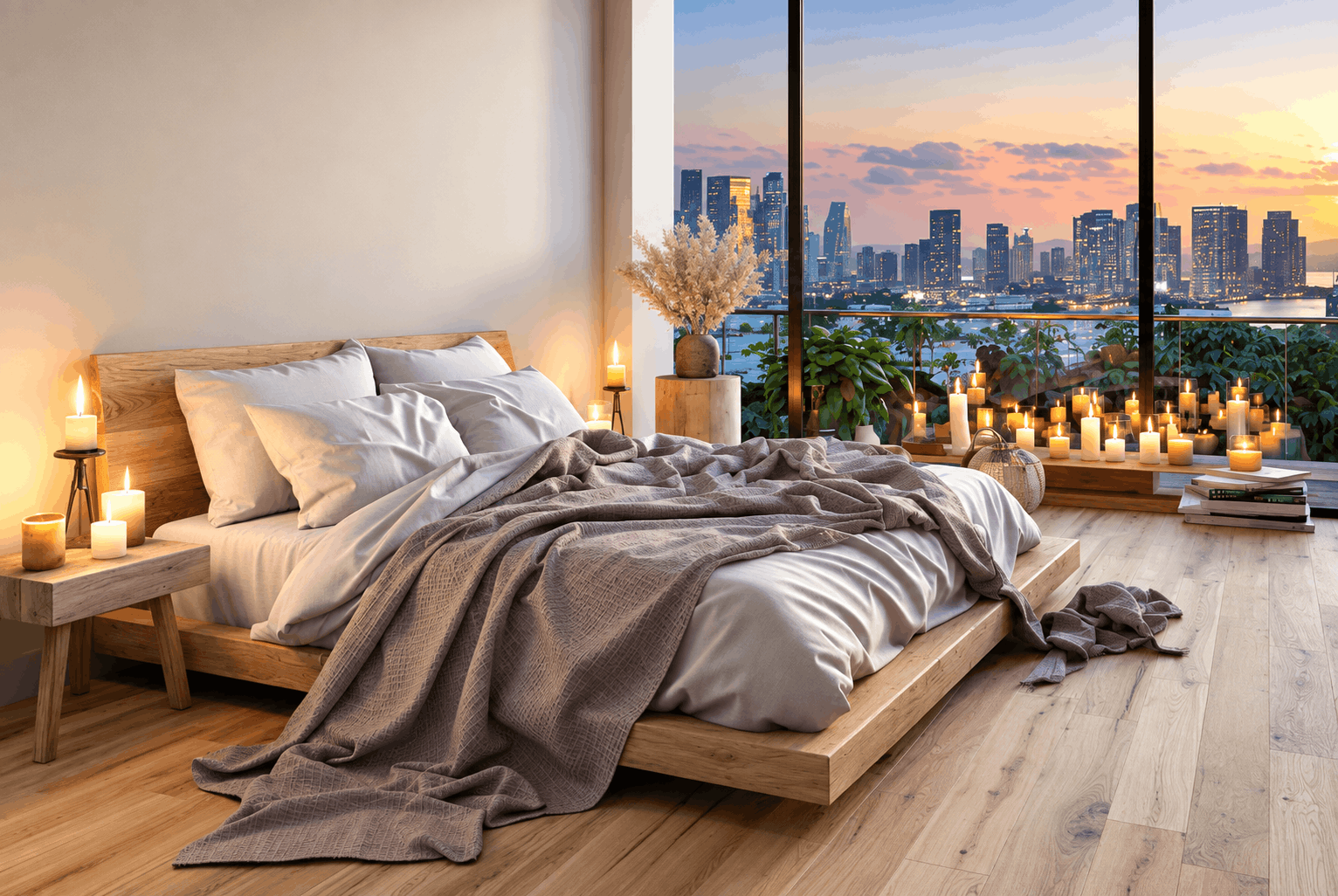
Creating a virtual tour for hotels and guesthouses is no longer just a marketing option - it has become an essential tool in an increasingly competitive hospitality industry, shaped by fast decisions and high expectations from travelers. In a world where a first impression is formed almost exclusively online, the way a hotel presents its interior spaces can make the difference between a confirmed booking and a lost customer. The virtual tour is the bridge between the promise made in photos and the actual experience, offering transparency, trust and a sense of familiarity that decisively influences the final choice.
Modern tourism is guided by imagery, but not static imagery. Photos, however well taken, remain isolated frames, carefully chosen crops that can't fully convey the atmosphere of a place. A well-made virtual tour lets the visitor actually step inside the hotel, move from one room to another, notice details, feel the space and its proportions, and understand how the different areas connect. This immersive experience radically changes how the property is perceived and creates a much stronger emotional connection than any text description ever could.
An article about virtual tours can't ignore the reality of modern consumer behavior. Most travelers plan their vacations online, compare dozens of offers, read reviews and study every detail before making a booking. In this context, a hotel that offers a professional virtual tour automatically positions itself a step ahead of the competition. The guest feels they have access to complete information, that nothing is hidden, and that what they see is what they'll get. This transparency builds trust, and trust is the most valuable currency in the hospitality industry.
The advantages of a virtual tour made by a professional team are many and go deep. First of all, technical quality makes the difference. A virtual tour made without experience can create the opposite of the intended effect: distorted images, unnatural colors, jarring transitions or clunky navigation can create confusion and convey a lack of professionalism. A specialized team knows exactly how to capture the space, which angles to use, how to make the most of natural and artificial light, and how to create a smooth, intuitive experience that invites exploration.
Virtual tour professionals don't limit themselves to the technical side of photography. They understand user psychology and the ultimate goal of the tour: turning a visitor into a customer. That's why a well-designed virtual tour will highlight the hotel's key areas - the most appealing rooms, common areas, the reception, the restaurant, the spa or the terrace - in a logical order that tells a story. It's not just about showing things, but about strategically guiding the eye and attention, so that every space contributes to the overall image of the property.
Another major advantage of working with a professional team is tailoring the virtual tour to the hotel's identity. Every accommodation business has its own personality, style and target audience. An elegant boutique hotel in a historic town has different needs and priorities than a rustic mountain guesthouse or a modern seaside resort. Virtual tour specialists know how to personalize the experience so it faithfully reflects the spirit of the place, without exaggeration or unnecessary gimmicks.
Why should every hotel or guesthouse present its rooms, and especially its interiors, through a virtual tour? The answer is simple: because the interior is the actual product the guest is buying. The location can be excellent and the service impeccable, but if the space where the traveler spends their time doesn't match expectations, the experience will be compromised. The virtual tour gives a clear picture of the room's size, the furniture, the colors, and the level of comfort, eliminating unpleasant surprises.
What's more, presenting interiors through a virtual tour significantly reduces the number of questions and uncertainties potential customers have. Many travelers hesitate to book because they can't quite picture what the room looks like or whether the space is large enough. The virtual tour implicitly answers these questions and shortens the path from interest to booking. Instead of sending emails or calling for clarification, the customer finds the answers directly on the website, in an intuitive and pleasant way.
An aspect that's often overlooked is the virtual tour's impact on reviews and customer satisfaction. When expectations are correctly set, the risk of disappointment drops considerably. The guest knows exactly what to expect and, in most cases, reality confirms what they saw online. This translates into better reviews, a higher score on booking platforms and, implicitly, a stronger online reputation.
The virtual tour isn't just a presentation tool - it's also a differentiator. In a crowded market, where many hotels offer similar services, how you present yourself can be the deciding factor. A quality virtual tour conveys professionalism, attention to detail and respect for the guest. It's a clear signal that the hotel invests in the guest experience even before they arrive at the reception desk.
A common question is where to publish a virtual tour for maximum impact. The answer is that a well-made virtual tour is extremely versatile and can be integrated into multiple promotional channels. First of all, it needs to be present on the hotel's official website, in a visible, easily accessible area. Often, the virtual tour becomes one of the most viewed pages on the website, since it grabs attention and encourages exploration.
Secondly, virtual tours can be integrated into booking platforms and Google Business profiles, where visibility is very high. Having a virtual tour on Google can significantly increase the profile's click-through rate and the time users spend on it, factors that positively influence search result rankings. The virtual tour can also be shared on social media, including Facebook or Instagram, as interactive links or video snippets, catching the attention of a wide audience.
The use of the virtual tour in online marketing campaigns, newsletters or presentations for travel agencies and corporate partners shouldn't be ignored either. A virtual tour thus becomes an active sales tool, working non-stop for the hotel, regardless of the hour or season. It's an investment that keeps paying off long-term, with no additional operating costs.
How many new customers a virtual tour can bring is a legitimate question, and the answer depends on several factors, such as the quality of the tour, its visibility and the hotel's promotion strategy. Industry studies show that accommodation businesses using virtual tours can see significant increases in conversion rate, sometimes by double-digit percentages. Visitors who interact with a virtual tour are more likely to make a booking, because they feel more informed and more confident in their decision.
In addition, the virtual tour attracts a better-qualified audience. Those who spend time exploring the rooms and interior spaces tend to be more interested and more decided. This means fewer canceled bookings and a higher, more stable occupancy rate. Long-term, this translates into better operational efficiency and a stronger relationship with customers.
Another important benefit is market expansion. The virtual tour allows the hotel to easily reach international travelers, who can't visit the location in person before booking. For them, the virtual experience is often the only way to properly evaluate the property. A clear, professional presentation can convince a customer from another country to choose that hotel over others, even without knowing it personally.
Last but not least, the virtual tour helps strengthen the brand. A hotel that invests in modern technology and quality presentations sends a strong message about its values. It's perceived as innovative, customer-focused and attentive to market developments. These attributes are extremely important in an industry where image and reputation play a crucial role.
Looking at the bigger picture, creating a virtual tour for hotels and guesthouses is more than a trend. It's a necessary adaptation to the realities of a digital market, where decisions are made quickly, based on visual information. Working with a professional team ensures not just a visually pleasing result, but a coherent, strategically designed experience that brings real, measurable benefits.
Hotels that understand the importance of presenting their interiors through virtual tours gain a clear competitive advantage. They manage to communicate more effectively with potential customers, build trust and turn online visitors into real guests. In an industry where every detail counts, the virtual tour becomes a trusted ally, capable of telling the hotel's story in an authentic, convincing and memorable way.
Ultimately, the virtual tour isn't just about technology - it's about experience. It's about giving the customer the chance to dream, to already picture themselves in that space, to take the first step of the journey right from in front of the screen. And when that first step is well guided, the chances of it leading to a booking increase considerably. For hotels and guesthouses, investing in a professional virtual tour isn't just justified - it becomes a strategic choice, with visible and lasting effects.
0 comments
No comments yet - be the first to leave one.
Leave a comment
Replying to -