
In tourism, the first impression isn't made at the front desk. It doesn't start with a smile, the smell of fresh coffee, or the view from the balcony. The first impression is made online. On a phone screen. In a quick scroll through Instagram. In a photo gallery on Booking. In a Google Maps preview.
In a world where travelers make decisions in a matter of seconds, photography has become one of the most powerful sales tools for hotels and guesthouses. It's not just an aesthetic element. It's a strategy. It's marketing. It's differentiation. It's storytelling.
This article takes an in-depth look at the role of professional photo shoots for accommodation businesses, the impact of images in attracting tourists, the importance of photography on social media, and how a well-made image can turn an anonymous guesthouse into a sought-after destination.
Visual tourism: why photography has become decisive
The hospitality industry is one of the most visual industries in the world. People aren't just buying a bed for the night. They're buying an experience. A feeling. A promise.
When a potential tourist looks for accommodation, they don't just look at price and location. They imagine what their vacation will look like. What the morning light will be like in the room. What the terrace will look like at sunset. What the breakfast plate will look like.
Photography thus becomes the language through which the hotel communicates without words.
A simple study of digital behavior shows that users spend twice as much time on a page containing attractive, relevant images. On booking platforms, the photo gallery is the first thing accessed after the title and price. If the images don't convince, the user leaves the page in under 10 seconds.
In this context, a photo shoot is no longer a luxury. It's a strategic investment.
What does a photo shoot for hotels actually involve?
Many owners think a photo shoot just means "a few nice pictures of the rooms". In reality, the process is much more complex.
A professional photo shoot for hotels and guesthouses involves:
* Brand and positioning analysis
* Defining the target audience
* Identifying the location's strengths
* Planning around natural light
* Styling and preparing the spaces
* Architectural and interior photography
* Lifestyle photography (with models, guests, staff)
* Professional editing
* Adapting the images for different platforms.
The photographer isn't just a technician. They're a visual storyteller. They need to understand the concept behind the location, capture its atmosphere and convey emotion.
Photography as a tool for attracting tourists
In tourism marketing, there's a simple truth: people choose what they can picture.
A properly photographed room can look spacious, bright and welcoming. The same room, photographed carelessly, can look dark and cramped.
The difference isn't just aesthetic. It's commercial.
1. Creates desire
A good photo activates the imagination. Travelers start picturing themselves in that space. They imagine drinking coffee on the balcony. Reading a book by the fireplace. Taking photos by the pool.
This emotional projection is essential in the decision-making process.
2. Builds trust
Clear, professional images convey professionalism. If the hotel invests in its presentation, the guest assumes it also invests in its services.
Blurry, dark or phone-camera photos can convey a lack of attention and raise doubts.
3. Differentiates in a competitive market
On a booking platform, a user can see dozens of similar properties. What makes them stop scrolling? Most of the time, the main image.
A spectacular shot with a view, warm sunset light, a balanced composition - all of these can turn an ordinary location into a memorable one.
The role of photography in the age of social media
If in the past the official website was the main presentation channel, today social media is the main showcase. Instagram, Facebook, TikTok, Pinterest - they all run on visual content.
Instagram - the new travel catalog
Instagram has become one of the most influential platforms in travel decisions. Hashtags like travel, mountainview, boutiquehotel or vacationmode generate millions of interactions.
A spectacular photo can go viral. And a photogenic location can become "Instagrammable".
The term "Instagrammable" isn't superficial. It defines a space that looks good in photos. And spaces that look good in photos attract tourists who want to create content.
So professional photography becomes doubly useful:
* it attracts tourists
* it encourages tourists to create their own content in turn
User-generated content (UGC)
A hotel with strong imagery inspires guests to take their own photos. These become authentic, shareable content that works as an organic recommendation.
A single photo shared by an influencer or a customer with a large audience can generate dozens of bookings.
Architectural and interior photography - technique and emotion
In hotel photo shoots, architectural photography plays a central role.
Light - the essential element
Interior photography is, first and foremost, about light. Natural light provides depth and realism. Artificial light needs to be balanced to avoid harsh shadows or distorted colors.
A professional photographer knows:
* when to photograph each room (morning, midday, sunset)
* how to combine multiple exposures to get a balanced result
* how to preserve detail in both bright and dark areas
Composition
Angle matters. Lines need to be straight. Perspective needs to be corrected. The space needs to feel airy, without being distorted.
Hotel photography isn't about exaggeration. It's about honest, but flattering, presentation.
Lifestyle photography - the experience front and center
More and more hotels are choosing to include images with people in their photo shoots.
A couple at dinner. A family by the pool. A tourist relaxing on the terrace.
These images convey more than décor. They convey experience.
Lifestyle photography:
* humanizes the brand
* creates emotion
* shows how the location can be experienced
It's the difference between "a beautiful room" and "the perfect romantic weekend".
The economic impact of professional photography
Many owners view a photo shoot as an expense. In reality, it's an investment with a measurable return.
Hotels that update their gallery with professional images see:
* an increase in conversion rate
* an increase in page visit duration
* an increase in social media engagement
* an increase in average nightly rate
A well-made image can justify a higher rate. Because it conveys value.
Common mistakes in hotel photography
1. Photos taken quickly, without preparation.
2. Untidy spaces, with personal items in view.
3. Mixed lighting (yellow bulbs + cool light).
4. Lack of detail shots.
5. Excessive editing.
Transparency is essential. The photography needs to reflect reality. The line between looking good and being misleading is very thin. And negative reviews can harm your reputation long-term.
Visual branding and identity
A well-thought-out photo shoot helps build a consistent visual identity.
Colors, tones, style, atmosphere - all of these need to align with the brand's positioning.
An urban boutique hotel might opt for modern tones, strong contrast, dynamic shots.
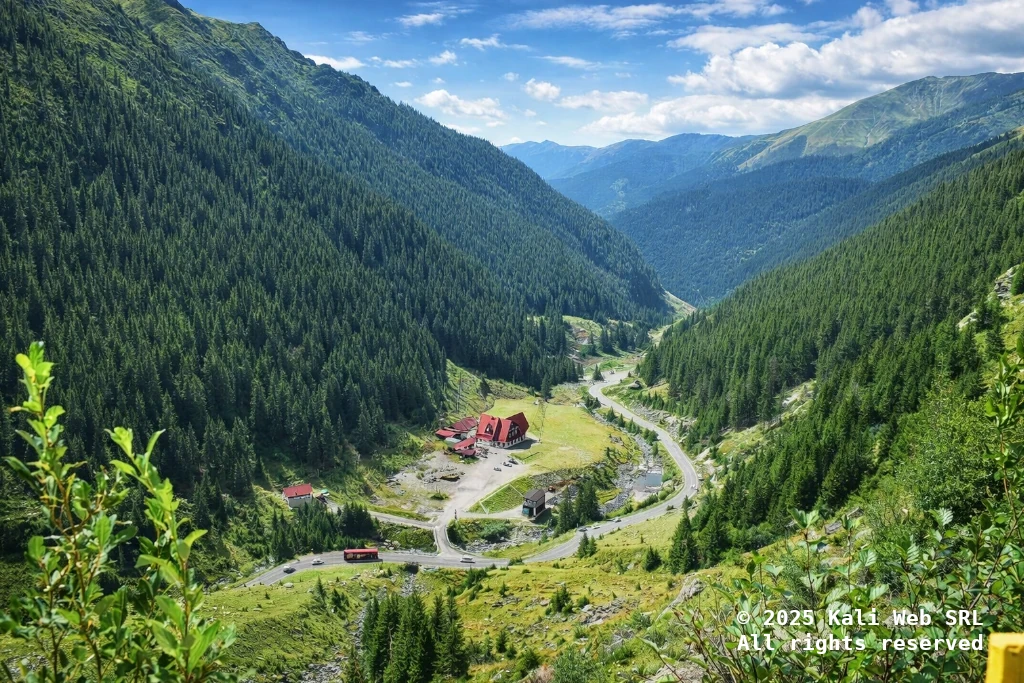
A mountain guesthouse might lean into warm light, natural textures, wide landscape shots.
Visual consistency strengthens brand recognition.
Aerial photography and its striking impact
Drones have added a new dimension to hotel presentation.
An aerial shot can show:
* the property's position within the landscape
* proximity to natural attractions
* the scale of the property
* its relationship with the surrounding environment
In mountain, coastal or rural areas, aerial photography is often the image that makes the difference.
Current trends in hotel photography
1. Authenticity over artificial perfection.
2. Natural shots, with real light.
3. Including people in the images.
4. Short video content for social media.
5. Vertical formats for mobile.
Today, most users view content on their phones. That's why images need to be designed with a vertical screen in mind too.
Conclusion: Photography isn't a detail. It's the foundation of your public image. In tourism, emotion sells. And photography is the first trigger of emotion. A professional photo shoot for hotels and guesthouses isn't just about nice pictures. It's about marketing strategy. It's about positioning. It's about differentiation. It's about conversions.
In an increasingly competitive market, where travelers decide fast and compare constantly, an image can tip the scale.
Because before a tourist reaches the front desk, they need to be convinced by a photo.
And a good photo doesn't just show a place. It tells a story.
0 comments
No comments yet - be the first to leave one.
Leave a comment
Replying to -