
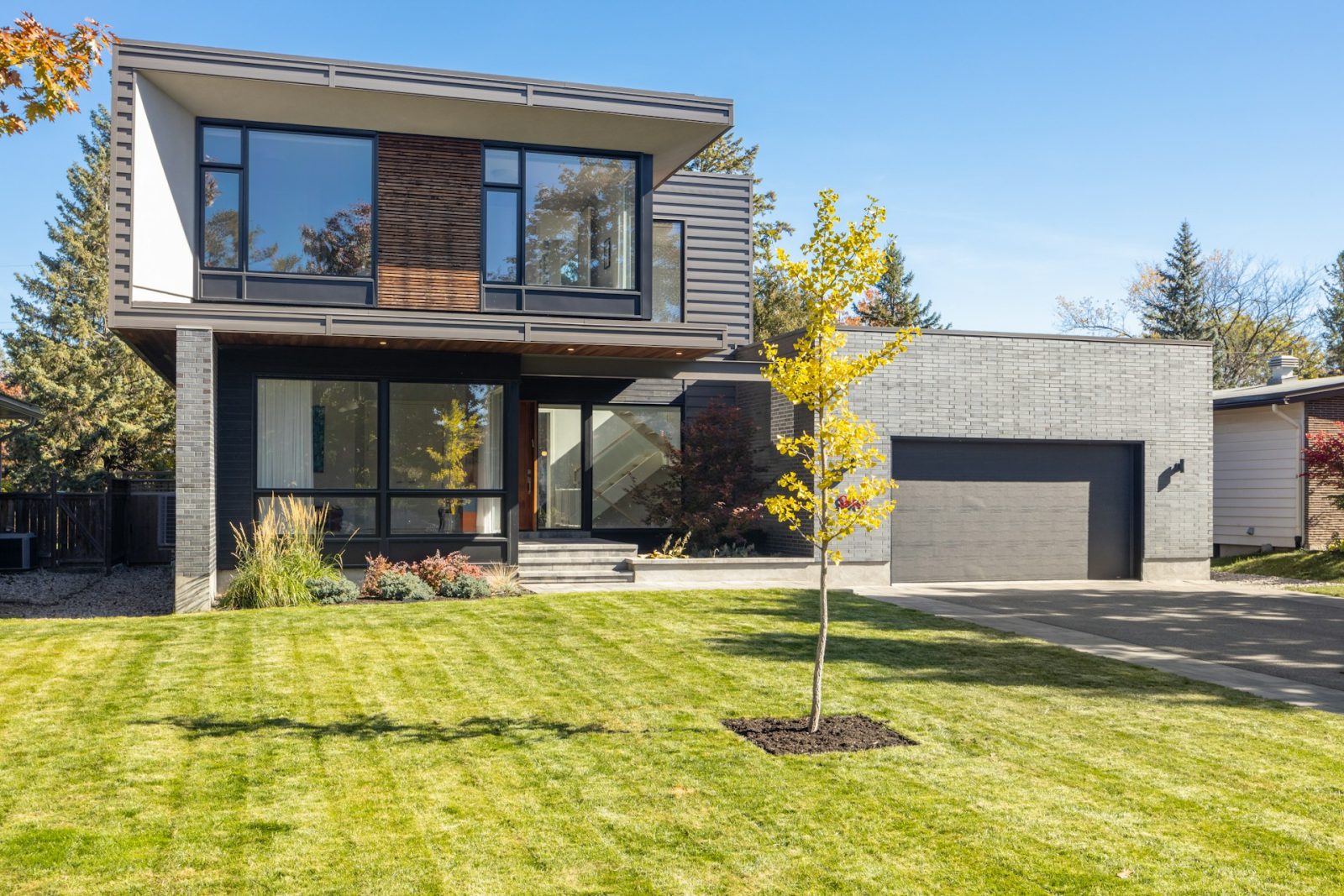
In real estate, the way a property looks is one of the first things a prospective buyer or tenant notices. Before a viewing, a conversation with the agent or a request for further information, most people discover a property through the photographs published online.
For that reason, real estate photography should not be treated merely as a necessary step towards putting a listing together. The images are an important part of how the property is presented and help shape the first impression of it.
Classic photography done professionally brings out the spaces, the proportions, the natural light, the materials, the finishes and the architectural details. Unlike photographs taken quickly on a phone, a planned shoot pays attention to composition, perspective and the way each room is presented.
For owners, estate agents, developers and the managers of commercial premises, investing in professional photography can transform the way a property is perceived online.
First impressions begin with the photograph
When someone searches for a property online, the photographs are among the first things that catch their eye. A dark or blurred image, or one taken from an unfortunate angle, can make a space look smaller or less appealing than it really is.
A properly taken photograph, by contrast, presents the space clearly and in balance. The light, the perspective, the position of the camera and the composition all contribute to a more faithful and more pleasing representation of the property.
The aim of professional real estate photography is not to alter reality, but to bring out the existing characteristics of the space. A well-photographed room should give the prospective client a realistic sense of its size, its layout and its finishes.
This matters for residential and commercial properties alike. An apartment, a house, an office, a restaurant, a retail unit or a showroom each have different characteristics, and the approach to photographing them has to suit the type of property.
The photographer can seek out the points of interest in each room and settle on the angles that show the space to best effect. In a living room, for example, capturing the relationship between the seating area, the windows and the furniture may be what matters. In a kitchen, the details of the finishes and the units can become important elements of the image.
For commercial premises, the emphasis may fall on floor area, functionality, interior design, access and how the space fits into the property as a whole.
How does professional photography show a property to best effect?
Real estate photography involves more than pressing the shutter. The final result depends on preparing the space, choosing the equipment, lighting, composition, perspective and post-production.
One of the most important aspects is perspective. Shooting from a suitable height and angle renders the proportions of a room more naturally. The point from which the photograph is taken can bring out the flow between rooms and help the viewer understand how the space is organized.
Light is another essential element. Natural light helps produce bright, pleasing images, but in many situations the contrast between light and dark areas has to be managed carefully.
Depending on the property and the conditions, additional light sources or shooting techniques may be used to preserve detail in both the shadows and the brightly lit areas.
Post-production also plays an important part. Photographs can be adjusted for brightness, contrast, color and exposure. Retouching can help remove unwanted visual elements, where that is possible and justified.
It is important that editing preserves the real appearance of the property. The aim of professional real estate photography is to present the space attractively, but realistically. Excessive alteration creates expectations that do not match reality and can spoil the client's experience at the viewing.
A good photograph should attract attention, but it should also convey information.
Real estate photography for online marketing
Most properties today are marketed across several channels: a company's own website, property portals, social networks and presentation materials. The photographs therefore need to be versatile enough to work in different contexts.
On a property portal, the photographs have to show each room and the main characteristics of the property as clearly as possible. On social networks, the images need to catch the eye quickly and deliver a visual message in a short space of time.
On an agency's or a developer's website, the photographs can form part of a fuller presentation, alongside the description, floor plans, drone footage or virtual tours.
A professional shoot can therefore be planned to produce a complete set of images: general shots, detail shots, exterior images, photographs of the facilities and of the relevant architectural elements.
On a new development, professional photography can also be used to document the stages of construction. Images taken at intervals show how the building has progressed and can later become communication material for the project.
For premium properties, the quality of the photographs matters even more. When the architecture, the interior design, the materials and the finishes are important features of the property, the images have to reflect them.
A luxury property may have generous spaces and exceptional finishes, but those elements have to be presented through images that convey the proportions, the atmosphere and the standard of workmanship accurately.
Classic photography alongside other visual services
Classic photography can form the foundation of a complete real estate presentation, but it can be combined with other services to give a fuller perspective on the property.
Aerial photography with a drone can show where the property sits, the land, the access and the surroundings. Aerial filming adds movement and can be used in videos for a website and for social media.
Interior filming complements the photographs by showing the flow between spaces and the overall atmosphere. On certain projects, 360° panoramas or virtual tours let people explore the property interactively.
Combining these services can be especially useful for property developers, agencies, and the owners of hotels, guesthouses, commercial premises and premium properties.
Each type of content has its own role. Classic photography provides clear still images that are easy to use in listings and marketing materials. Film conveys movement and atmosphere, aerial photography gives a perspective on the site as a whole, and 360° imagery allows interactive exploration.
Whatever the combination, it is important that all the material follows the same visual direction and presents the property coherently.
In short, classic photography is one of the most important visual tools for marketing a property. Professionally taken images bring out the spaces, the architecture, the light, the finishes and the details that set a property apart from other offers.
A well-planned shoot is not simply about getting attractive photographs; it is about building a complete and realistic visual presentation. The choice of angles, the handling of light, the composition, the editing and delivering the images at a quality suited to the online world all contribute to the final result.
In a property market where the first contact with a home often happens online, the quality of the photographs can be the difference between a listing scrolled straight past and one that prompts someone to find out more and ask for a viewing.
0 comments
No comments yet - be the first to leave one.
Leave a comment
Replying to -