
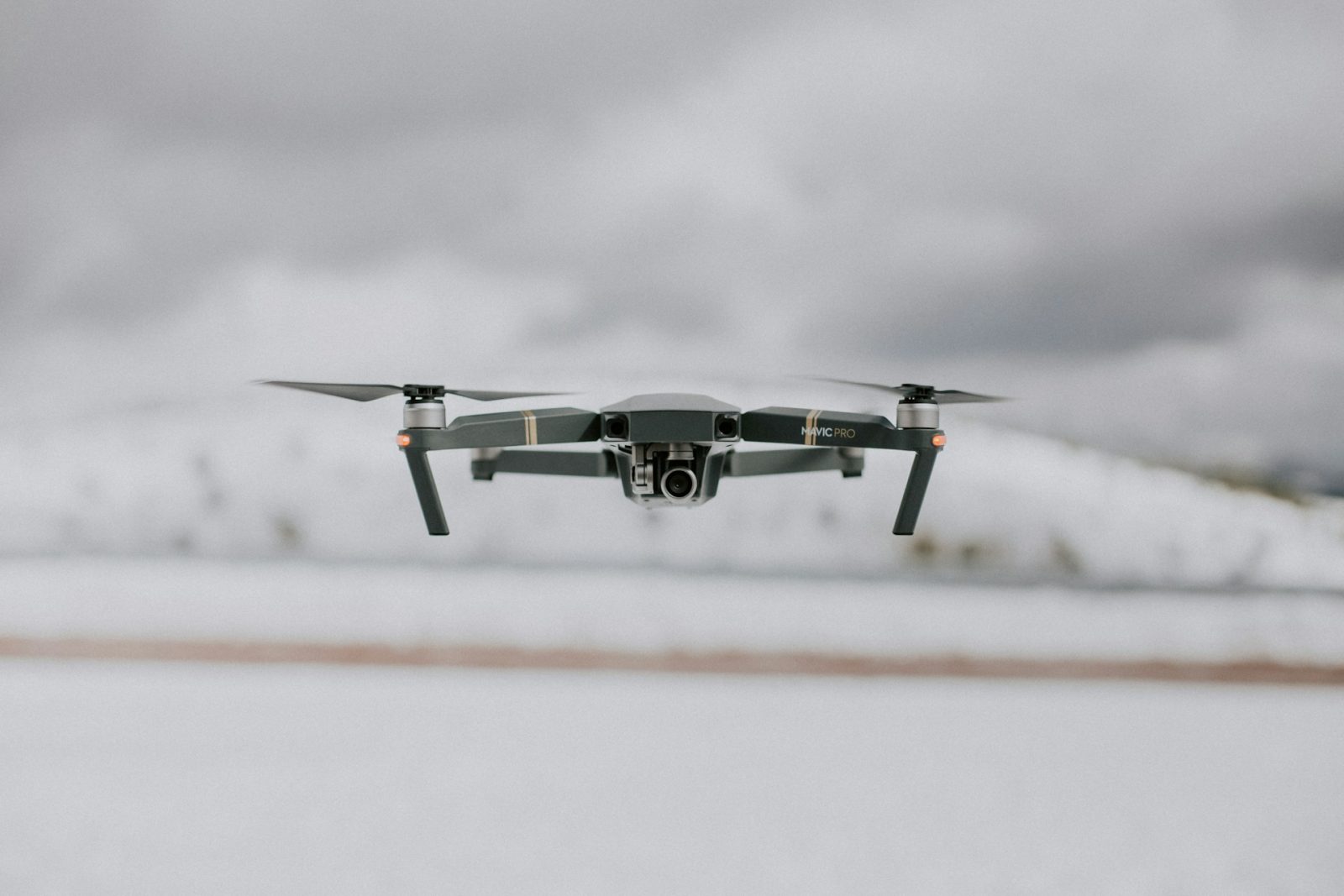
Aerial footage has quickly become an essential part of promoting accommodation businesses, whether we're talking about elegant hotels, welcoming guesthouses or picturesque mountain cabins. In the age of the visual, accommodation owners are looking for innovative ways to showcase their spaces, and drone filming offers unique perspectives that are impossible to achieve with ordinary photos or videos.
In this article, we'll explore everything you need to know about drone filming for hotels and guesthouses: from the ideal weather conditions and the best time of year, to how long a shoot takes and how the resulting footage can be used.
Why choose drone filming for accommodation businesses
Drone filming brings a major visual advantage to promoting hotels and guesthouses. Unlike static photos, aerial video allows the entire property, its surroundings and the facilities offered by the accommodation to be shown at once.
Advantages of drone filming:
Unique perspectives: the drone captures angles that traditional cameras simply cannot reach.
Impressing potential guests: aerial views create a sense of space and freedom, especially for locations with spectacular scenery.
Effective marketing: drone clips can be used on websites, social media, booking platforms and even video ads.
Documentation: owners can track the progress of infrastructure or the condition of the land and buildings.
For a mountain guesthouse, for example, drone footage capturing the surrounding landscape can highlight the proximity of hiking trails or natural areas - an element that attracts tourists. Similarly, for urban hotels, a drone can show proximity to major attractions or the layout of the hotel complex.
Ideal weather conditions for drone filming
The weather plays a crucial role in producing quality drone footage. Not every day is suitable for flying a drone, and unfavorable conditions can compromise both the safety of the equipment and the quality of the video.
Main factors to consider:
Wind: wind speed needs to be moderate. Generally, flights are safe when wind speed doesn't exceed 20 km/h. Strong gusts can destabilize the drone and produce shaky footage.
Rain and moisture: a drone shouldn't be flown in rain, snow or dense fog, as the equipment isn't always waterproof.
Natural light: the best times are early morning or evening, for warm light and long shadows that add depth to the video. Filming at midday can create harsh shadows and overly strong contrast.
Clouds and visibility: an overly overcast sky or reduced visibility can affect both flight safety and visual quality.
For this reason, a drone shoot should be planned a few days in advance, checking the weather forecast to ensure optimal conditions.
The best time of year for drone filming
The season dramatically influences the quality and visual impact of drone footage.
General recommendations:
Spring: the fresh green of grass and trees offers a spectacular contrast with buildings. This is the ideal time for guesthouses located in mountain or rural areas.
Summer: long days and strong sunshine allow for extended filming sessions. However, summer can bring high temperatures that affect the drone's battery life.
Autumn: the warm colors of the leaves make filming visually striking. This is the preferred season for hotels located in forested areas.
Winter: snow-covered landscapes look spectacular, but you need to watch out for low temperatures, which can reduce battery life and affect the drone's electronics.
In conclusion, drone footage for promoting accommodation businesses works best in spring and autumn, but with careful planning, you can also get amazing shots in summer or winter.
How long does a drone shoot take
The length of a filming session depends on several factors: the size of the property, the type of footage desired, the complexity of the drone's movements and the weather conditions.
General estimates:
Small properties: for guesthouses or holiday homes, a complete shoot can take between 30 and 60 minutes.
Large properties: for large hotels or resorts, filming can take between 1 and 3 hours, including equipment checks and settings adjustments.
Multiple locations: if you want both overview shots and details, it's best to set aside half a day.
Batteries and flight time: most professional drones have a flight time of 20 to 30 minutes per battery, so for longer sessions you need several charged batteries and should plan for breaks.
Drone filming techniques
Producing spectacular drone footage requires technique and planning:
Linear flight: to capture the building from front to back or vice versa
Circular flight: to fly around the building and highlight its architecture
Ascending / descending flight: to show the entire property from a panoramic angle
Tracking shots: to follow a driveway or a pool, creating a sense of movement
Time-lapse: combined with the drone to show changes in light or activity
It's important for the operator to know both the flight rules and the principles of cinematic composition, so that the drone footage is engaging and professional.
What clients can do with drone footage
Once the filming is done, accommodation businesses can use the resulting material in various ways:
Online promotion: the clips can be posted on the website, Facebook, Instagram, TikTok or YouTube.
Virtual tour of the property: drone footage can be combined with indoor video to create a complete tour.
Video ads: aerial material can be used in paid ads or promotional spots.
Presentations for partners: hotels can use the clips to attract travel agencies or investors.
Internal documentation: aerial footage can help monitor the condition of the infrastructure or plan renovations.
The benefits are numerous, and aerial imagery adds value, both visually and commercially.
Legal aspects and safety
Before any shoot, you need to keep in mind the legal regulations:
Flight permits: check the national legislation on drone use, especially in urban or tourist areas.
Restricted zones: airports, military zones, certain nature reserves.
Insurance: for expensive equipment, it's recommended to have insurance.
Safety: don't film people without consent and avoid flying the drone close to guests.
Following the rules doesn't just protect the equipment - it also builds guest trust.
Aerial drone footage is no longer just a nice extra - it's become an essential tool for promoting hotels and guesthouses. It allows for a complete view of the property, highlights the surroundings, and creates a professional impression for guests.
For quality results, it's important to plan shoots around the weather, season and flight time, choose the right techniques, and follow current legislation. The resulting footage can be used in digital marketing, virtual tours, ads and partner presentations.
Ultimately, a professional drone shoot can completely transform how your accommodation business is perceived, bringing more visibility and attracting more guests.
We look forward to answering your questions about your next project.
0 comments
No comments yet - be the first to leave one.
Leave a comment
Replying to -