
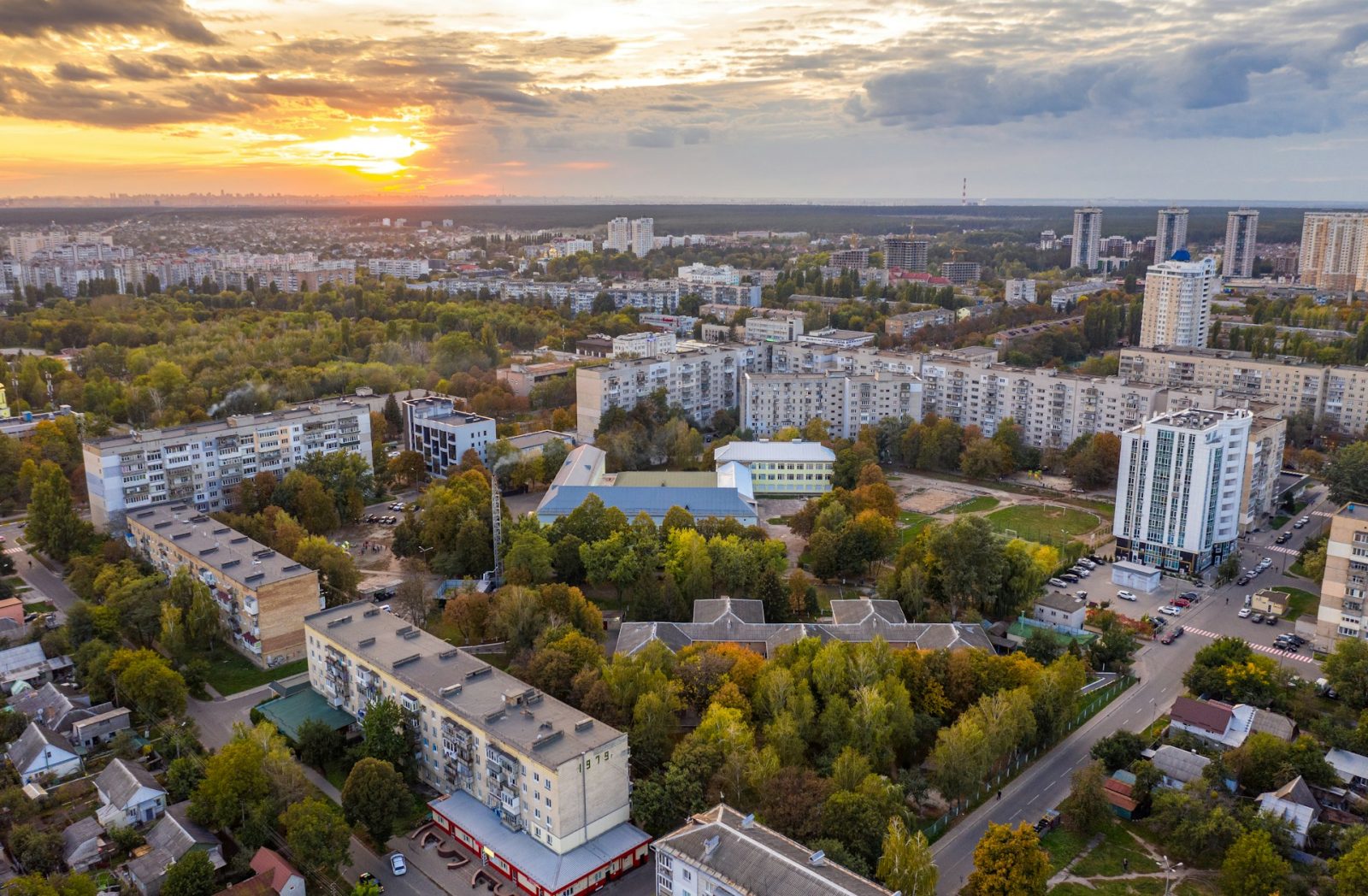
In the insurance industry, a fast and accurate damage assessment matters to both the insurer and the policyholder. A complete, objective view of a property or an affected area can simplify the claims inspection and help settle claims more efficiently. Modern technology offers increasingly effective tools for this, and drone filming is one of the methods that can significantly improve the documentation process.
Drones capture detailed aerial footage, including of large surfaces, roofs, industrial buildings, land and hard-to-reach areas. Inspectors and loss adjusters get a complete view of the property without every area having to be checked from the ground.
Why is filming for insurance important?
The traditional damage assessment process can require travel, on-site inspections and manual documentation of many damaged elements. Depending on the nature of the event, some areas may be difficult or even impossible to access.
Filming for insurance makes it possible to document large areas quickly and to get clear footage from angles that are hard to achieve from ground level.
A drone can fly over the property and record both overview shots and close-ups of the damaged areas. This material can be used to document the existing situation and to supplement the information gathered during the inspection.
The visual nature of the information is another important advantage. Aerial video and photos can show the extent and distribution of the damage at a glance, making later analysis easier.
What kinds of damage can be documented with a drone?
Insurance covers many situations in which aerial footage can be useful, including:
- roof damage caused by storms or other weather events;
- damage caused by hail, strong wind or heavy rainfall;
- fires and their effects on buildings;
- damage to facades and exterior structures;
- damage to warehouses or industrial buildings;
- damage to land or agricultural areas;
- damage caused by accidents or natural events;
- inspection of large properties;
- documenting the condition of a building before and after an event.
With a roof, for example, a drone can quickly capture the entire surface, including hard-to-reach areas. The footage can reveal damaged tiles, affected membranes, loose elements and other visible changes.
The advantages of using drones in the assessment process
One of the biggest advantages of drone filming is efficiency. An area that would take considerable time to check from the ground can be documented from the air in a short time.
Drones can also reduce staff exposure to certain risks. With a damaged building, an unstable roof or an area hit by a natural event, physical access can be difficult. Capturing footage remotely provides visual information without every area having to be accessed directly.
Another benefit is that the visual material can be kept for later analysis. Photos and video can serve as additional documentation that specialists can consult whenever needed.
Aerial filming for residential and commercial properties
Filming for insurance can be used for residential properties as well as for commercial or industrial sites.
For a house, the drone can document the roof, facades, outbuildings and the surrounding land. For commercial buildings the method can be even more useful, since the areas are often larger and can include many places that are difficult to inspect.
Industrial halls, warehouses, logistics centres and other large buildings can be documented with aerial footage that gives an overall view of the site. Depending on the need, both photos and video can be produced.
Overview shots and relevant details
A professional drone filming service is not just about spectacular aerial shots. In insurance, the main goal is useful visual documentation.
That is why the flight has to be planned around the characteristics of the property and the purpose of the inspection. The operator can follow specific areas, take overview shots and return to elements that need more detailed documentation.
Image quality matters too. High resolution can reveal details that are not visible in a photo taken from a distance or from ground level.
Documenting before and after damage occurs
Aerial footage is also useful for comparing the condition of a property at different points in time.
When footage taken before an event can be compared with footage taken afterwards, the differences are easier to spot. This approach can be relevant for properties that are monitored periodically.
By filming for insurance before and after certain events, you can build a visual archive of the property's condition. The material does, however, need to be managed and stored properly so it can be used when needed.
Drone technology and a more efficient process
Technological progress has made drones increasingly affordable and capable. Modern cameras deliver high-resolution photos and video, and some equipment can be configured for specialised applications.
Depending on the project, technologies such as photogrammetry or aerial mapping can also be used to gather additional information about surfaces and structures.
For insurance companies, these technologies can be a way to modernise inspection and documentation processes. Instead of an assessment based solely on observations from the ground, aerial footage can complement the information available.
Why does a professional operator matter?
The results of an aerial inspection depend not only on the equipment but also on the operator's experience. Flight planning, choosing the camera angles, identifying the relevant areas and producing clear material all matter for an insurance project.
A professional operator also has to take into account the rules that apply to drone operations, flight safety and the conditions at the time of filming.
The material also needs to be delivered in a format suited to its purpose. Well-organised documentation makes it easier to access the information and to analyse the footage later.
Drone filming for a modern claims process
Digitalisation is changing many industries, and insurance is no exception. Aerial footage can help transform the way certain types of damage are documented and analysed.
Drone filming can offer an additional perspective on properties and complement traditional inspection methods. The advantages can be significant, especially for large areas or places that are hard to reach.
At the same time, aerial material should be seen as one part of a broader assessment process. Photos and video can provide valuable visual information, but they must be interpreted according to the nature of the claim and the applicable procedures.
Conclusion
Filming for insurance is a practical application of modern technology, making it possible to document properties, buildings and areas affected by various events quickly and efficiently.
Drones provide clear aerial footage, including of hard-to-reach areas, and the resulting material can complement the documentation needed for the claims inspection and assessment.
As the technology evolves, drone filming may become an increasingly important tool for inspections, documentation and monitoring in the insurance industry. Choosing a licensed, experienced operator, using the right equipment and complying with legal requirements are essential for professional results.
0 comments
No comments yet - be the first to leave one.
Leave a comment
Replying to -